


ELEMENTRAC ONH-ps — Elemental Analyzer for Oxygen, Nitrogen and Hydrogen
Артикул: ELEMENTRAC ONH-ps
The new ELEMENTRAC ONH-ps is a powerful and robust elemental analyzer for the simultaneous determination of oxygen, nitrogen and hydrogen concentrations in inorganic samples such as steel, iron, copper or ceramics. The highly sensitive NDIR cells without moving parts and the thermal conductivity detector for nitrogen measurement reliably detect element concentrations from the low ppm range to the high percentage range.
Thanks to the novel sample lock with pulsed chamber purging and vertical fall channel, user-friendly and convenient analysis of rod-shaped, granular or powdery samples with a weighed portion of up to 2 grams is easily possible. The ELEMENTRAC ONH-ps elemental analyzer meets or exceeds the requirements of all common international standards, such as ASTM E 1019 or DIN EN 3976.
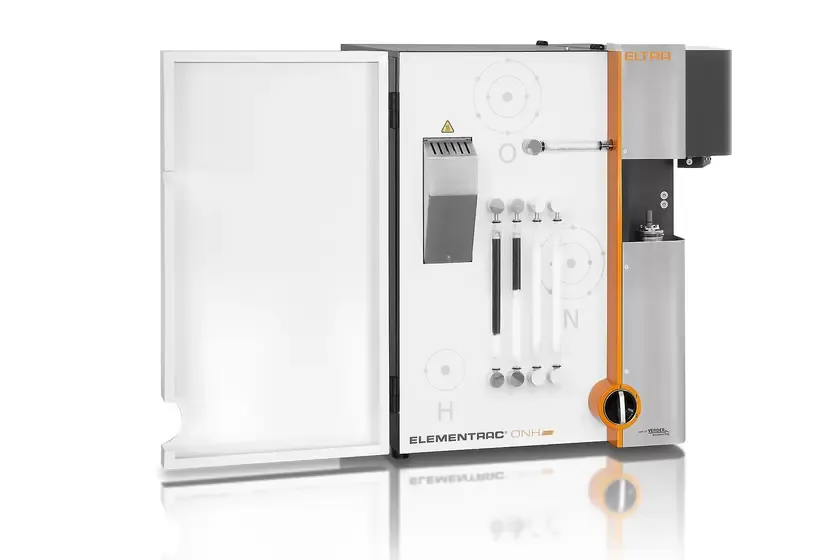
OXYGEN / NITROGEN / HYDROGEN ANALYZER ELEMENTRAC ONH- ps
- Parallel determination of the three elements oxygen, nitrogen and hydrogen
- New sensitive infrared measuring cells without moving parts
- Low gas consumption and high sensitivity due to closed gas system
- Easy application of pins, powders and granules
- Inexpensive argon possible as carrier gas
- Short analysis time
- Powerful impulse furnace with 8.5 kW
- Optional autocleaner and autoloader
- Reliable ONH analysis for a wide range of inorganic samples such as steel, non-ferrous metals, ceramics, slags, ores, etc.
Typical Sample Materials
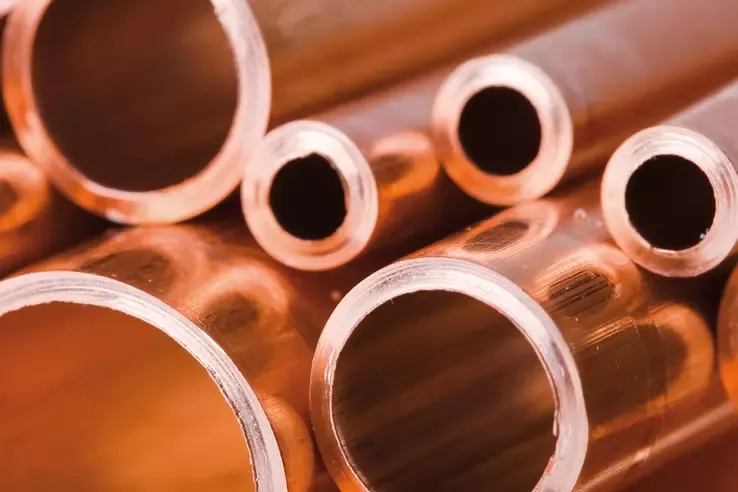
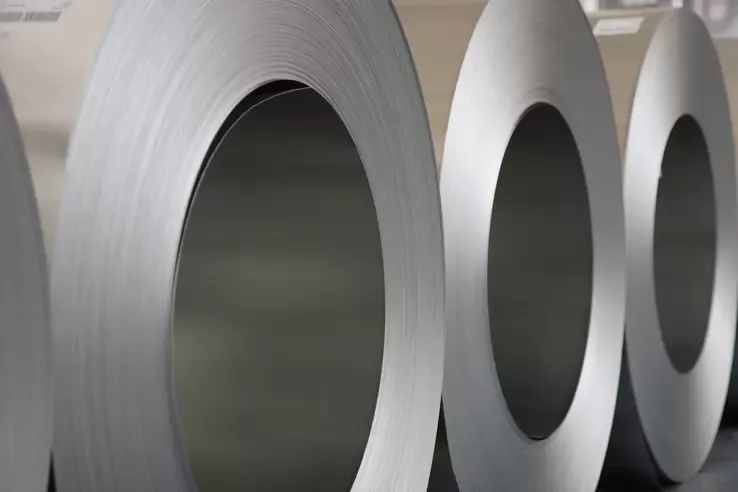
steel, copper, alloys, refractory metals, cast iron, ceramics, carbides, ferroalloys, iron, metals, aluminum, silicon, ...

Operation and Analysis Process
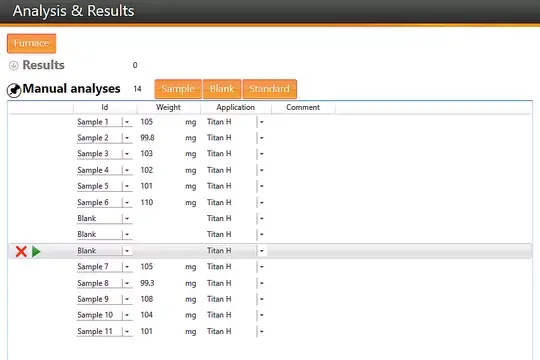
Step 1: Logging the sample into the ELEMENTS software
The sample ID is logged into the software and the weight is automatically transferred (see step 2).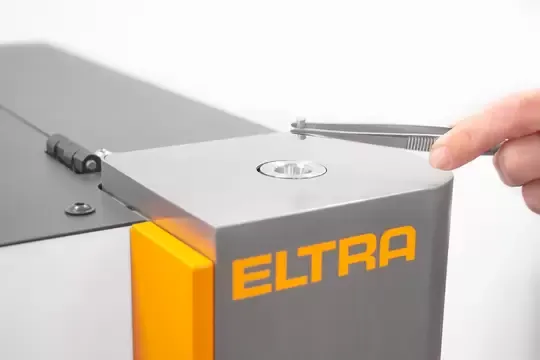
Step 2: Weighing and introduction of sample into the port
The ELEMENTRAC ONH-ps analyzes volumes from a few mg up to 2 grams safely and precisely. Rod-shaped or granular samples can be applied directly. For the elemental
analysis of powders, a capsule is recommended which does not have to be sealed.
Step 3: Analysis
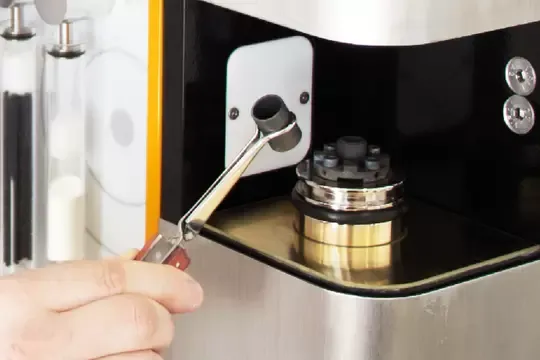
The empty graphite crucible is then placed on the lower electrode and the elemental analysis is started via the ELEMENTS software. The software controls all subsequent process steps.
Step 4: Data output and export
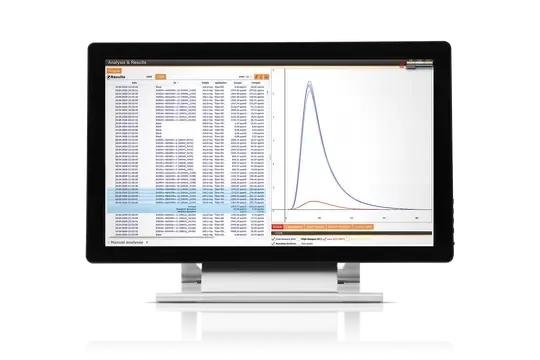
120 to 180 seconds after the analysis has started, the measured concentrations are available for export as a report or via LIMS.
The new measurement procedure
Common O/N/H analysis for inert gas fusion analyzers mean that a thermal conductivity cell is used for both hydrogen as well as for nitrogen analysis. This means that two independent measurements have to be performed when determination of nitrogen and hydrogen is required. The ELEMENTRAC ONH-ps utilizes a new designed water IR cell without moving parts which allows a reliable measurement of hydrogen as water even in the lower ppm concentration range. This allows the simultaneous measurement of oxygen, nitrogen and hydrogen in one sample.
| Elements | Measured as | Detector |
| Oxygen | CO2 | IR |
| Nitrogen | N2 | TCD |
| Hydrogen (common technique) | H2 | TCD |
| Hydrogen (new technique) | H2O | IR |
Configurations
The ELEMENTRAC ONH-ps is a multi-element analyser for the parallel determination of oxygen, nitrogen and hydrogen (ONH). While oxygen is detected as CO2 and hydrogen as H2O in infrared measuring cells, nitrogen is determined in elemental form using a thermal conductivity cell. The ELEMENTRAC ONH-ps uses helium or, alternatively, argon as the carrier gas.
The ELEMENTRAC ONH-ps uses our newly developed infrared measuring cells without moving parts. These measuring cells are characterised by a very good signal-to-noise ratio and high stability.
The ELEMENTRAC ONH-ps elemental analyzer is available as a single-element analyzer for hydrogen only, or in a multi-element configuration for measuring ONH. Whereas oxygen and hydrogen are determined as CO2 and H2O in up to three infrared cells, nitrogen is detected in its elemental form in a thermal conductivity cell.
Cuvette with variable length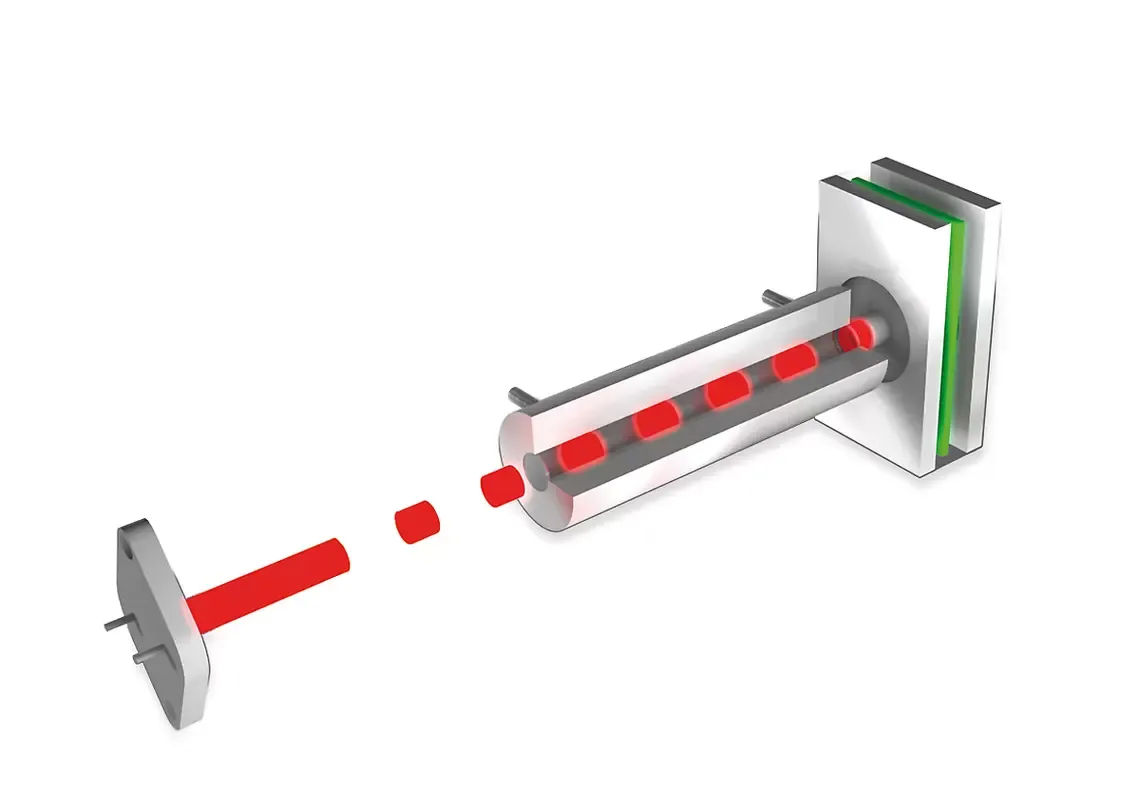
Thermal conductivity cell with high sensitivity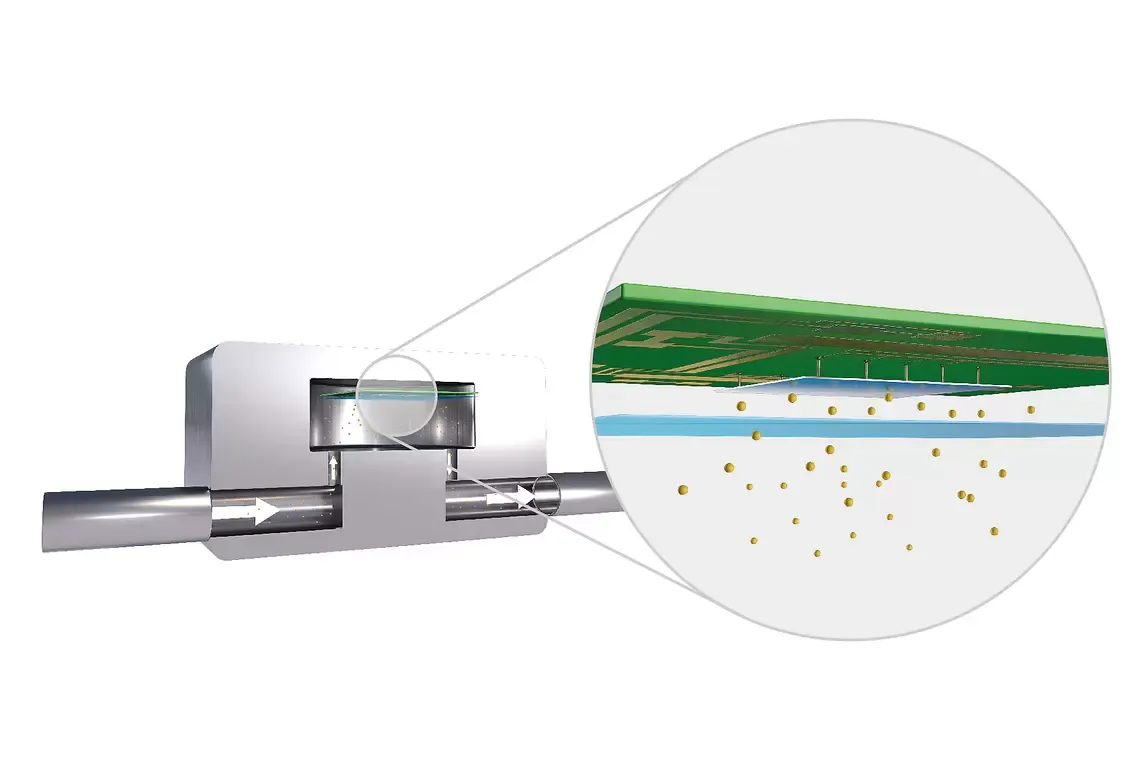
Integrated standard solutions
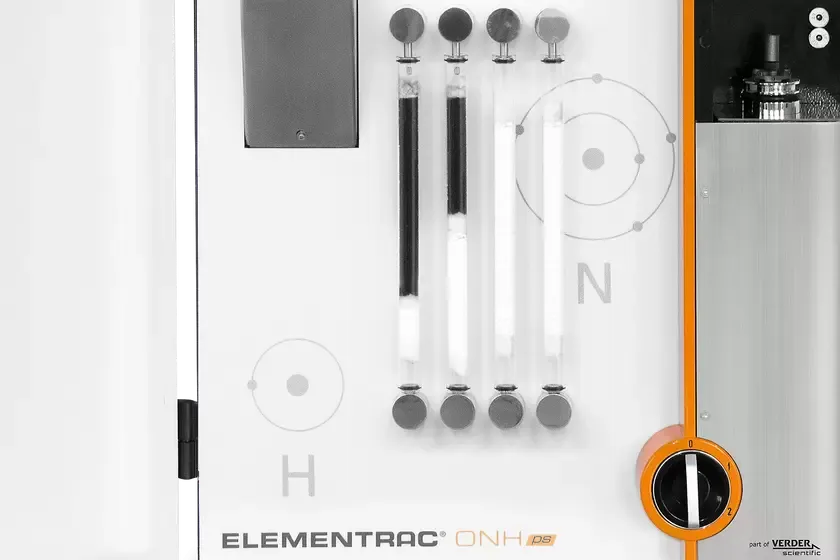
The chemicals and filters required for operation of the elemental analyzer are arranged conveniently on the front panel and can be concealed behind a removable door during routine operation. This arrangement significantly reduces the time required for maintenance and increases user-friendliness. In addition, innovative details considerably improve the reproducibility of measurements.
Innovative sample port & pulsed chamber flushing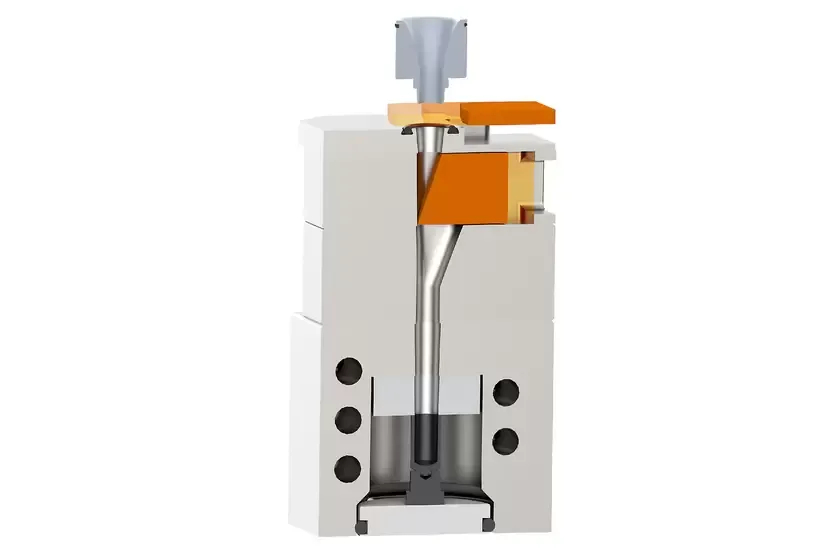
The new sample port of the ONH-ps elemental analyzer ensures comfortable operation and reproducible measured values. Differently shaped materials like solid pieces, granules or powder in capsules can be applied up to a weight of 2000 mg, and are quickly freed from the surrounding atmosphere with the help of pulsed carrier gas flushing in the sample port. Then they drop vertically into the preheated graphite crucible for analysis
- Robust against dust development
- No closing of capsules required
- Direct application of up to 2000 mg granulate
- Low in maintenance and wear
Powerful catalyst
During fusion of the sample CO is formed, whereas hydrogen and nitrogen are released in elemental form. The powerful catalyst furnace oxidizes CO to CO2 and hydrogen to water, which are subsequently measured in the IR cells. The high temperature catalyst furnace with copper oxide filling guarantees the complete oxidation of CO to CO2 and of course of H2 to gaseous H2O.
Closed gas management
The ELEMENTRAC ONH-ps elemental analyzer series uses a closed gas system in overpressure. This ensures that always 100% of the released sample gas is fed to the detectors which guarantees low detection limits and good reproducibility.
Options
Autocleaner
By melting the sample in a graphite crucible at temperatures of up to 3000 °C deposits are generated at the upper electrode and in the furnace chamber which may affect the reproducibility of ONH measurements in a negative way.
The new optional Autocleaner reliably removes these deposits, enabling precise elemental analysis even for high throughputs. Additionally, an efficient gas calibration and cleaning furnace for thorough carrier gas pre-cleaning are available for the elemental analyzer.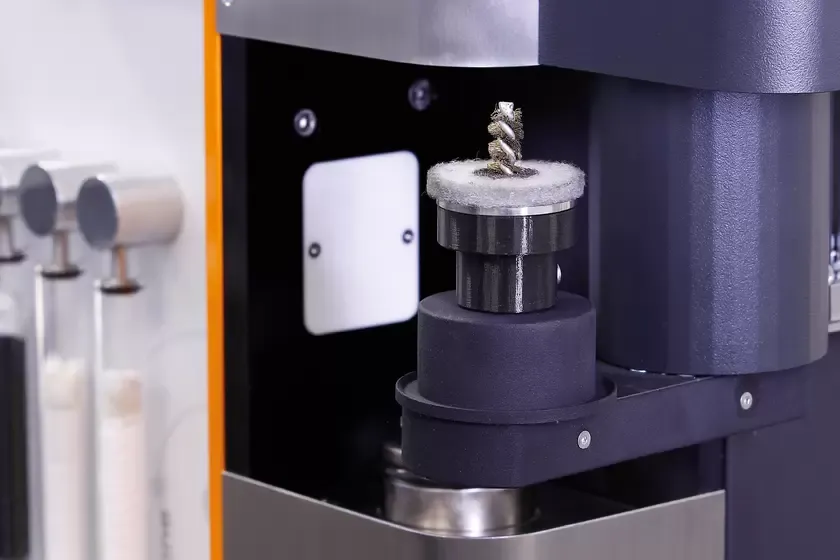
NEW: Autoloader
High-capacity automated sample loading is becoming an increasingly important factor for fast and robust O/N/H analysis in metals. The new autoloader for the ELEMENTRAC ONH-ps features a sample carousel with 32 positions, as well as a correspondingly designed crucible magazine.
Functional Principle
The ELEMENTRAC ONH-ps uses a measuring principle with a wide operating range. To analyse the sample, it is weighed and placed in the sample lock. Flushing with carrier gas ensures that no atmosphere (e.g. nitrogen and oxygen) enters the analysis chamber.
The graphite crucible is then annealed in the pulse furnace to reduce any contamination, such as residual hydrogen. After a stabilisation phase, the sample falls into the graphite crucible and is melted. Elemental nitrogen, hydrogen and carbon monoxide are released from the sample melt into the carrier gas stream. The carbon monoxide comes from the reaction of the carbon in the graphite crucible with the oxygen in the sample. The carrier gas (helium) and the sample gas pass through a dust filter before entering a copper oxide catalyst, where CO is converted to CO2 and elemental hydrogen to H2O.
The resulting CO2 and H2O are then detected in the infrared cells. CO2 and H2O are chemically removed and the nitrogen content is measured in the heat conduction cell.
Optionally, inexpensive argon can be used instead of helium as the carrier gas for determining oxygen and nitrogen.